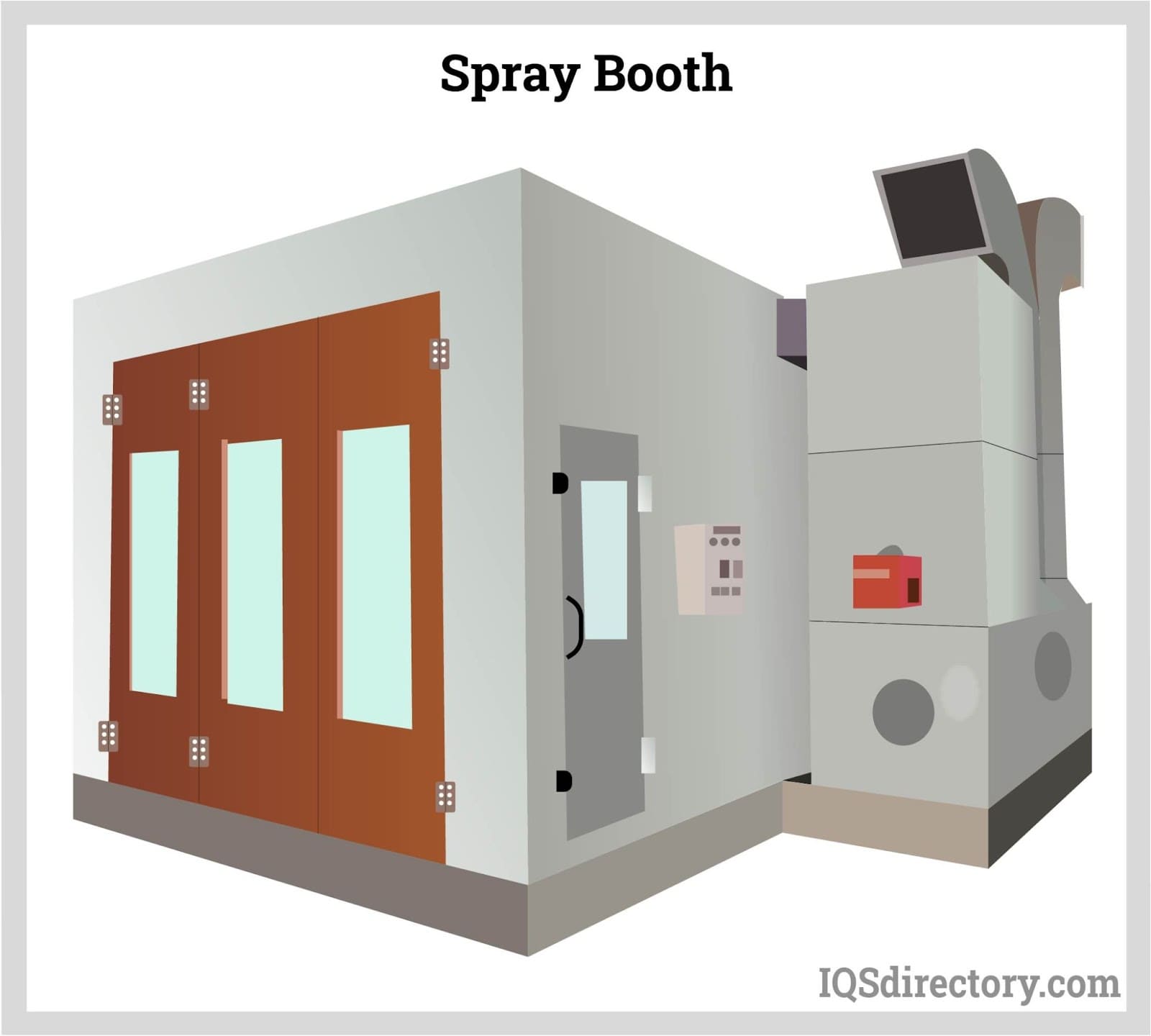
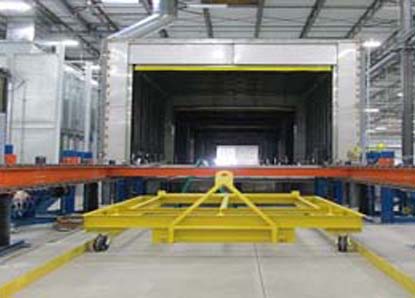
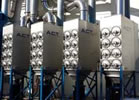
Paint booths provide a contaminant-free environment in which to paint. Dust and other contaminants cause bumps in the coating and can mar an otherwise sleek, smooth surface. Sprayers generally use pressurized air to atomize paint and provide a flow pattern; the paint droplets can spatter. Read More…
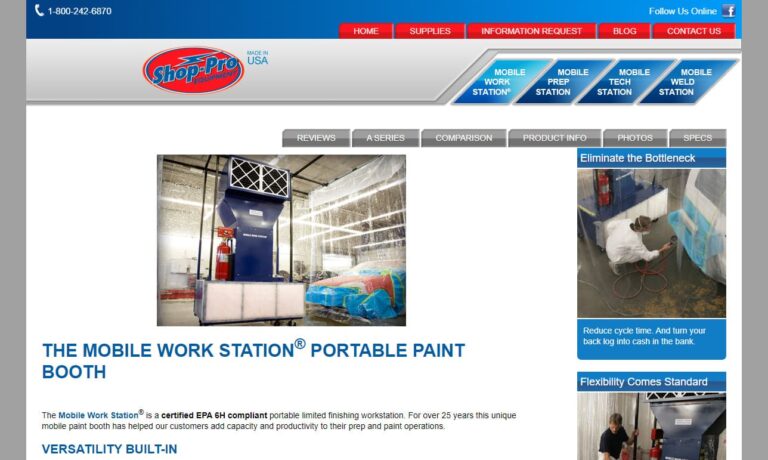
Manufacturer of portable paint booths featuring multi-stage filtration systems to remove paint overspray along with carbon filters to remove odors and VOCs. American-made quality and productivity. Contact us or visit our website to learn more about how we can help you today!
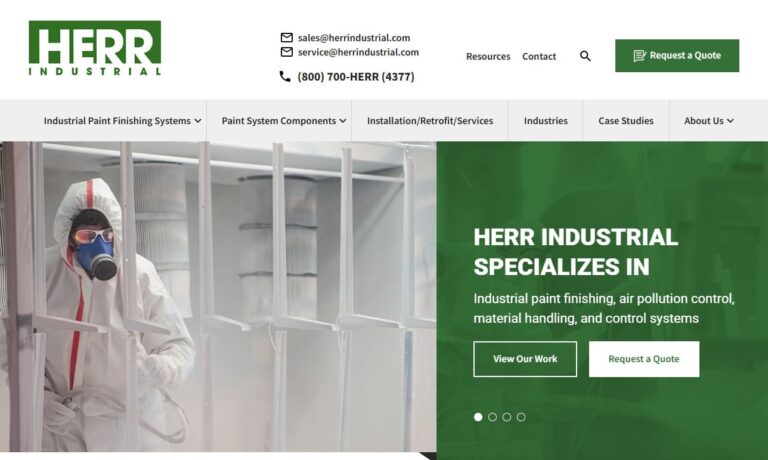
At HERR Industrial, Inc., we are dedicated to providing exceptional paint finishing solutions designed to meet the diverse needs of our clients. As experts in the field, we take pride in our ability to engineer, design, and manufacture state-of-the-art paint finishing equipment that consistently delivers superior results.
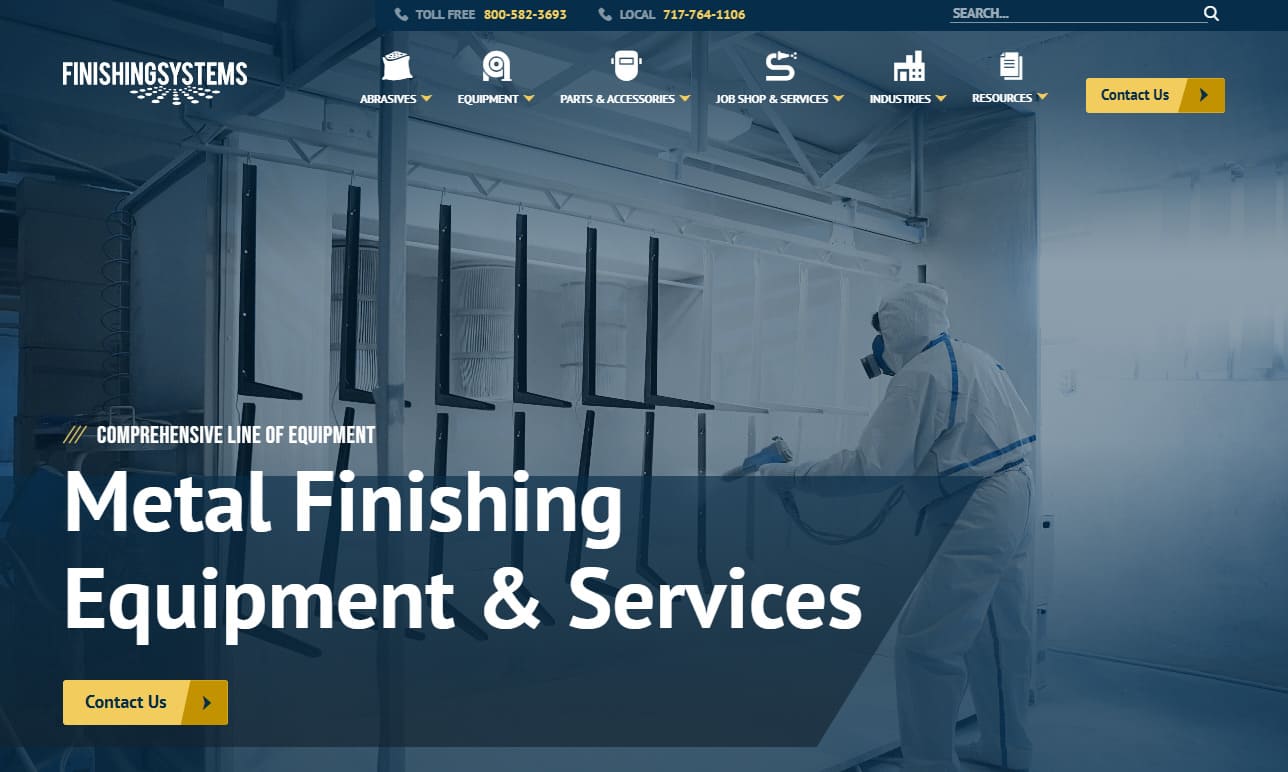
At Finishing Systems Inc., we specialize in delivering advanced paint finishing equipment designed to meet the evolving needs of modern manufacturing. With decades of experience behind us, we have built a reputation for engineering high-performance systems that ensure consistent, durable, and efficient surface finishes.
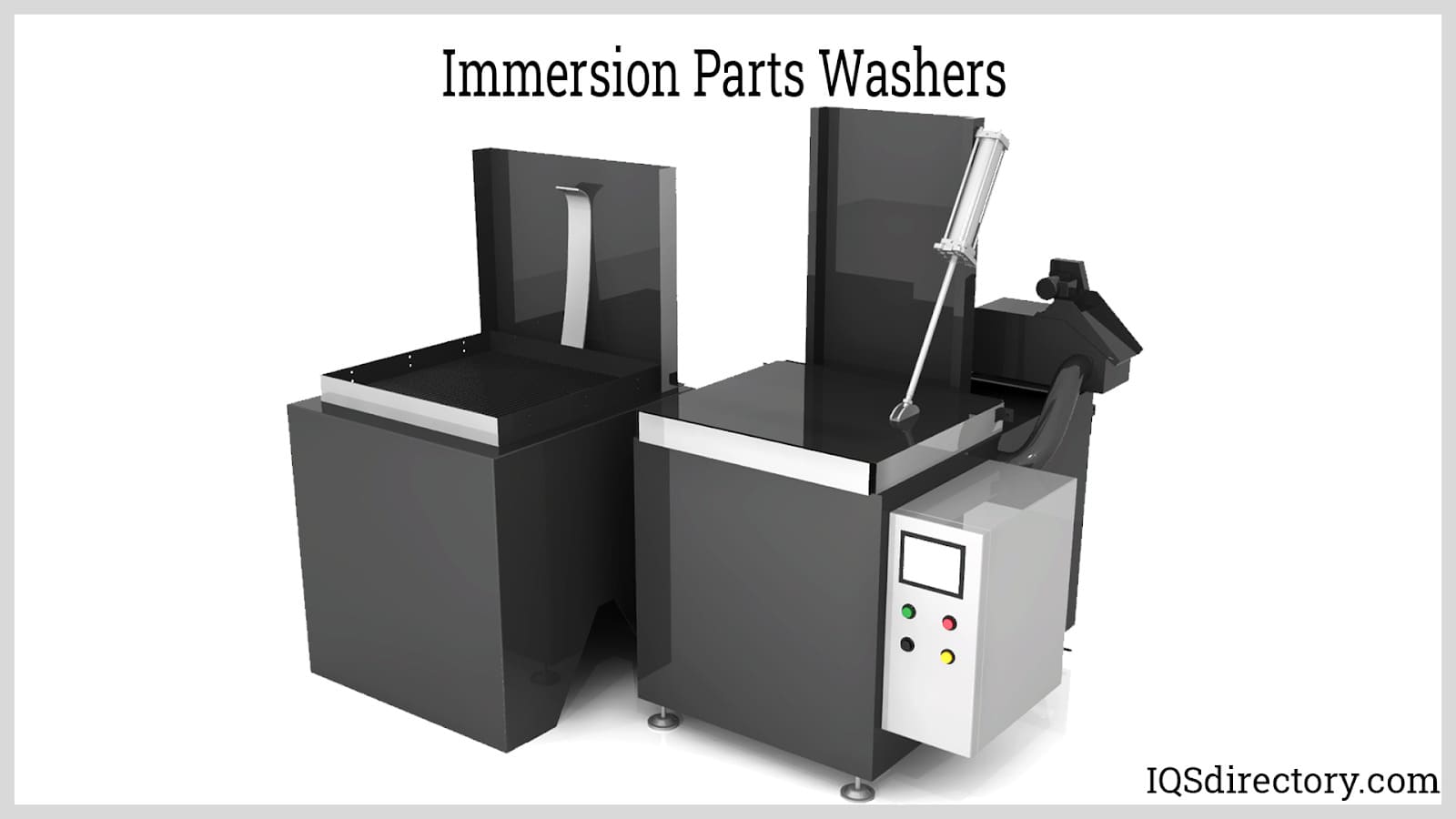
Quality Finishing Systems has been designing and manufacturing state-of-the-art industrial parts washers for over 20 years. Throughout the years, we have strived to perfect our products to continually meet the needs of our customers. Our expert team work alongside customers to ensure their industrial parts washers' needs are met.
At Thermal Engineering Corporation, we take pride in our expertise in providing advanced paint finishing equipment designed to meet the highest standards of quality and efficiency. Our commitment to innovation and precision allows us to deliver solutions that enhance coating performance and ensure durable, uniform finishes for a wide range of applications.

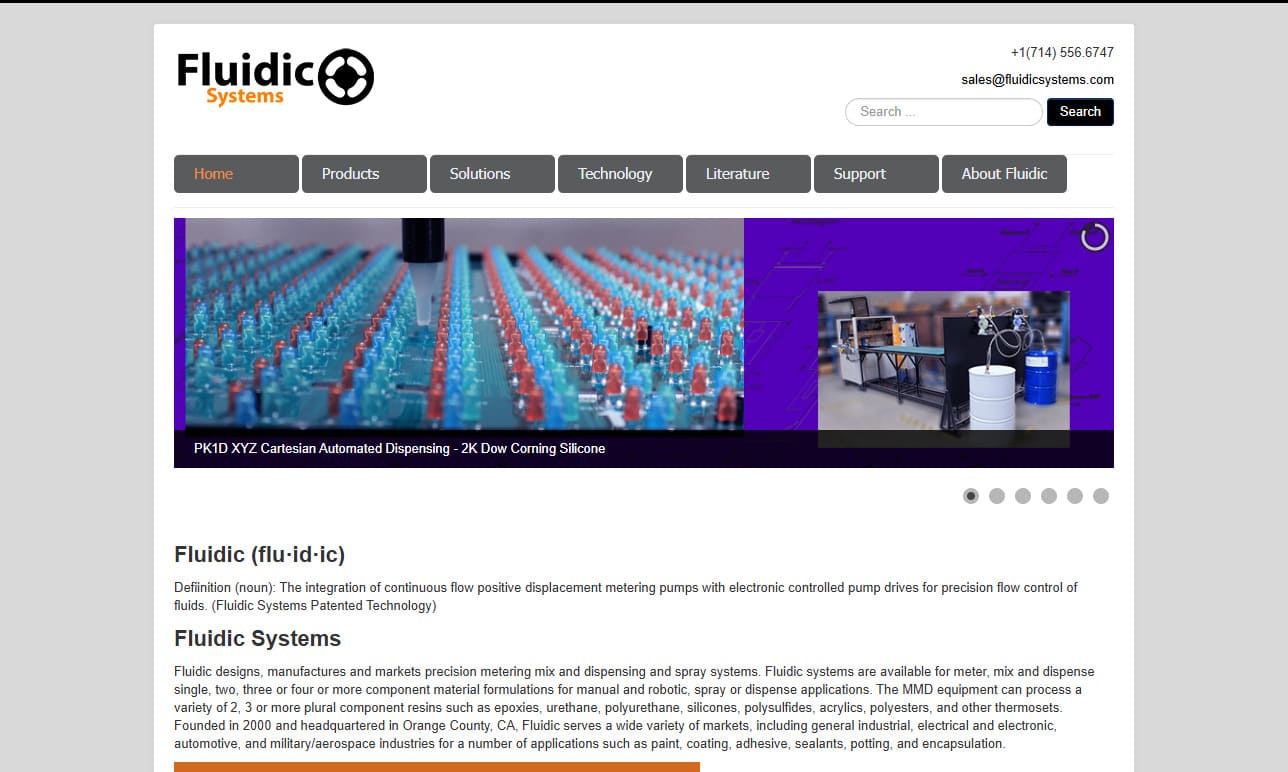
At Fluidic Systems, we take pride in our dedication to delivering comprehensive solutions for paint finishing applications. Our team works tirelessly to develop, design, and implement advanced systems that meet the demanding needs of industrial and commercial clients.




More Paint Booth Manufacturers
 Paint Booth - System Technologies, Inc.
Comprehensive Guide to Paint Booths: Technologies, Applications, and Buyer Considerations
A paint booth is an essential component of any professional finishing system, offering a controlled environment for a wide range of spray painting applications, from automotive refinishing and industrial equipment coating to furniture manufacturing and wood finishing. Whether you are researching the best paint booth for your business, comparing paint sprayers, or evaluating paint system manufacturers, understanding the latest booth technologies, features, and compliance requirements is critical to making an informed purchase decision.
What Is a Paint Booth and Why Is It Important?
A paint booth, sometimes referred to as a spray booth or finishing booth, is a specialized enclosure designed to create a safe, clean, and controlled space for spray painting and coating operations. By containing overspray, managing air quality, and providing effective ventilation, paint booths help maximize finishing quality, protect worker health, and maintain compliance with environmental regulations.
Key benefits of using a paint booth include:
- Reducing airborne contaminants and dust, resulting in superior paint finishes
- Minimizing paint spatter and overspray, which saves material and prevents damage to adjacent surfaces
- Safeguarding operators from hazardous fumes and volatile organic compounds (VOCs)
- Ensuring compliance with OSHA, EPA, and NFPA safety standards
- Improving workflow efficiency and product throughput
Paint Sprayers and the Role of Paint Booths
Airless paint sprayers and conventional spray guns are widely used across various industries for their ability to deliver smooth, even coats of paint or coatings. However, traditional airless paint sprayers can lead to significant paint spatter and overspray, especially in uncontrolled environments. This not only wastes material but also risks contaminating nearby equipment, surfaces, and products. Furthermore, air currents and drafts can carry paint droplets beyond the intended target, leading to inconsistent results and potential health hazards for workers.
To address these challenges, paint booths are engineered with advanced airflow management and filtration systems. High-performance booths feature pressurized air systems, precision fans, and exhaust filters that capture overspray and remove airborne particles. This ensures that spray painting is conducted in a dust-free, ventilated environment, protecting both the operator and the workpiece.
Ventilation, Airflow, and Safety in Paint Booth Operations
Effective ventilation is a cornerstone of any high-quality paint booth system. Proper airflow not only removes hazardous fumes and VOCs but also helps achieve consistent paint application by controlling temperature and humidity levels inside the booth. Ventilation systems typically include:
- Exhaust fans and ductwork to channel contaminated air outside the facility
- Air makeup units (AMUs) to replace extracted air and maintain balanced booth pressure
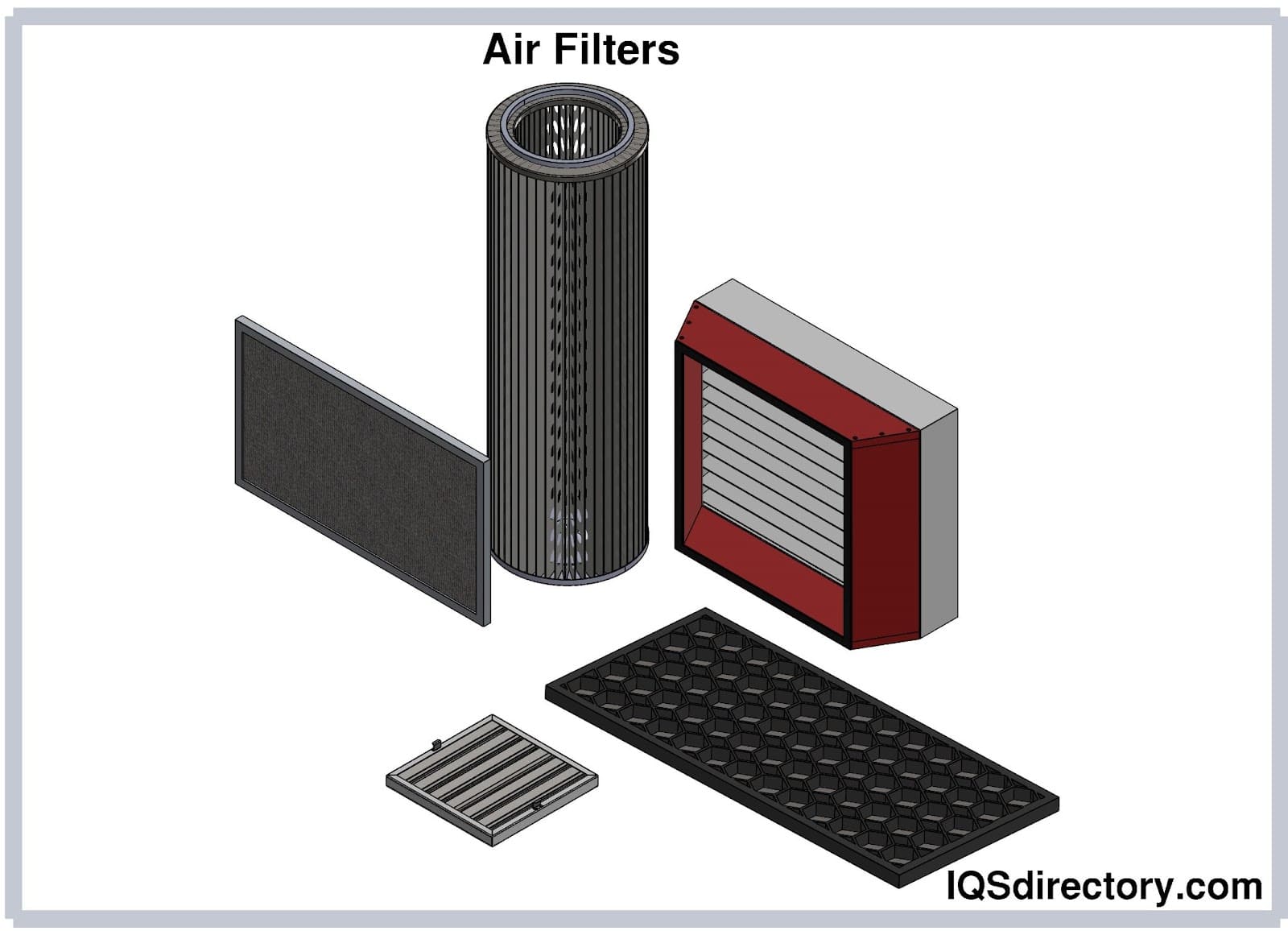
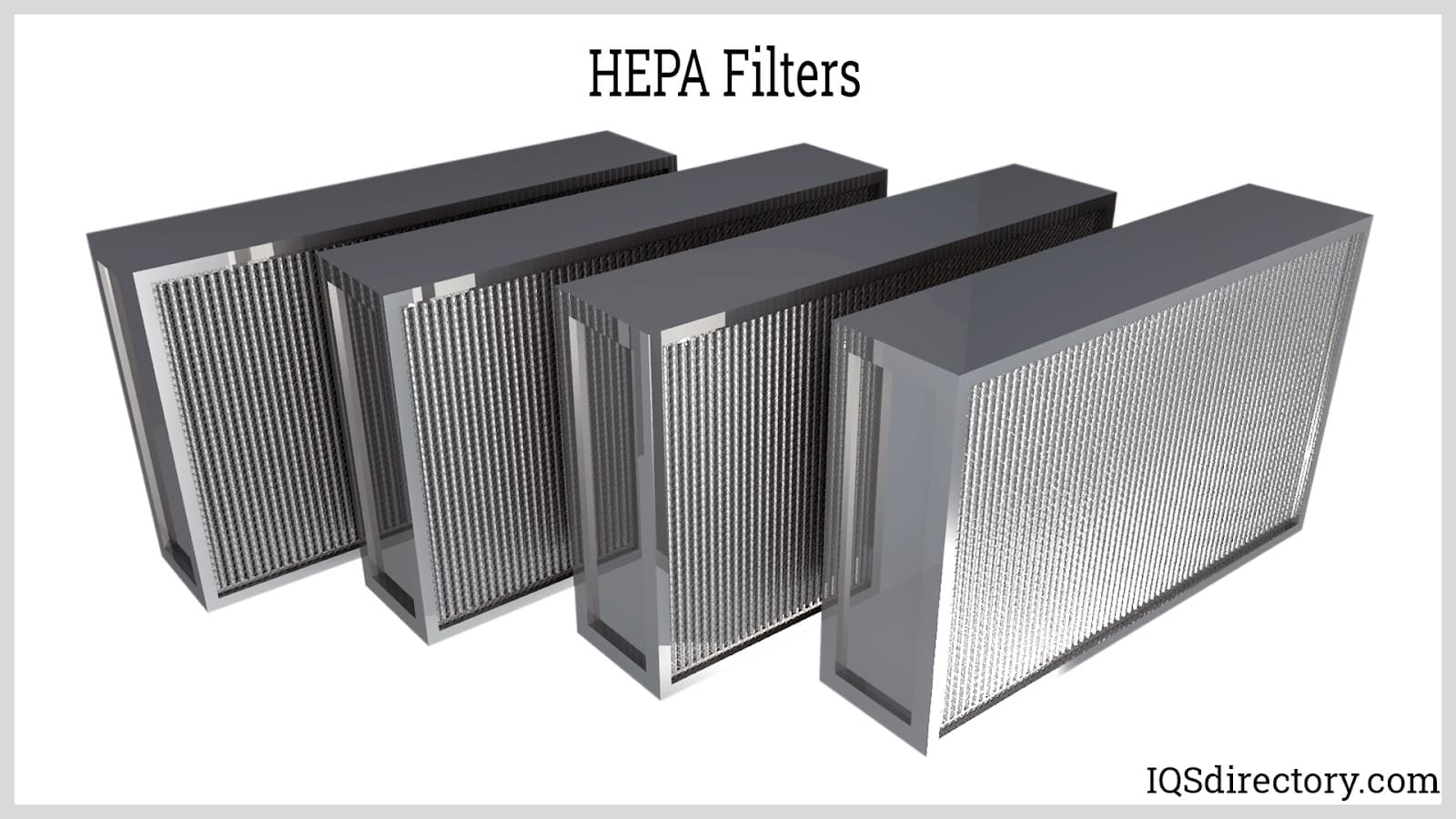
- HEPA and carbon filters to trap paint particulates and neutralize odors
- Explosion-proof electrical components to prevent ignition of flammable vapors
Search-Driven Prompt: Are you wondering how to choose the right ventilation system for your paint booth? Explore paint booth ventilation options here or consult with our experts for tailored recommendations.
Paint Booth Construction and Materials
Most modern paint booths are fabricated from stainless steel or coated sheet metal, providing durability, corrosion resistance, and ease of cleaning. Booths are typically rectangular and feature large, sealable doors to accommodate various product sizes, from small parts to automobiles and industrial machinery.
Common paint booth applications include:
- Automotive refinishing and collision repair
- Truck and commercial vehicle painting
- Industrial equipment and machinery coating
- Furniture and cabinetry finishing
- Woodworking and custom millwork
- Metal fabrication and OEM manufacturing
Some booths are designed for batch production, while others support conveyorized, automated, or robotic spray systems for high-volume operations. The choice of booth size, shape, and material depends on your specific workflow, space constraints, and regulatory requirements.
Essential Components of Paint Booth Systems
A complete paint booth system typically includes a range of integrated components to ensure safety, efficiency, and compliance:
- Pressurized air systems for consistent airflow and dust control
- Compression hoses and connections for spray guns
- Paint tanks and reservoirs for uninterrupted paint supply
- Heating units (bake ovens) to accelerate curing times for certain coatings
- Control panels for precise system management and monitoring
- Exhaust duct kits for safe venting of fumes
- Filtration media to remove particulates and maintain clean air
- Lighting systems for optimal visibility and finish quality
Some advanced spray booths also feature downdraft, crossdraft, or side-draft airflow patterns to suit specific applications or production environments. Downdraft paint booths are especially popular in the automotive industry for their ability to pull overspray downward into the floor, minimizing contamination.
Paint Booth Safety Standards and Regulatory Compliance
Due to the inherent risks associated with spray painting—including the presence of flammable vapors, toxic chemicals, and airborne particulates—paint booths and related equipment must conform to stringent safety standards. The Occupational Safety and Health Administration (OSHA) sets guidelines for paint booth construction, operation, and maintenance to protect workers and prevent accidents.
Other relevant agencies and standards include the Environmental Protection Agency (EPA), National Fire Protection Association (NFPA), and local fire codes. Paint booth operators are required to use personal protective equipment (PPE) such as respirators, face shields, and protective clothing to minimize exposure to hazardous substances.
Search-Driven Prompt: Need help understanding OSHA paint booth requirements or EPA air quality regulations? Learn more about paint system compliance here.
Types of Paint Booths: Which Design Is Right for You?
Selecting the optimal paint booth design depends on your specific industry, workflow, and finishing requirements. Common types of paint booths include:
- Downdraft paint booths: Air flows from the ceiling and exits through the floor, ideal for automotive and high-end industrial applications.
- Crossdraft paint booths: Air enters from one end and exits at the opposite end, suitable for general-purpose and budget-conscious operations.
- Side-draft paint booths: Air flows from ceiling or upper side panels and is exhausted through lower side panels, balancing airflow control and cost.
- Bench booths: Compact booths designed for small parts and component finishing.
- Open face booths: Feature an open front for easy access, often used in woodworking and shop environments.
- Powder coating booths: Specialized for dry powder application, requiring unique filtration and grounding systems.
Prompt: Not sure which paint booth type matches your needs? Compare paint booth designs and features to find the best fit for your workflow.
Key Buyer Considerations for Paint Booths
When researching or purchasing a new paint booth system, consider the following factors to ensure long-term performance, safety, and return on investment:
- Booth size and configuration: Accommodate your largest workpieces and future growth plans
- Airflow type: Downdraft, crossdraft, or side-draft for your specific application
- Filtration and exhaust systems: Meet local and federal emissions standards
- Heating and curing options: Accelerate production cycles and improve coating durability
- Energy efficiency: Look for variable-speed fans, LED lighting, and insulated panels
- Ease of maintenance: Modular panels, quick-change filters, and accessible controls
- Safety features: Automatic fire suppression, explosion-proof components, and compliant PPE recommendations
- Aftermarket support: Warranty, technical service, and availability of replacement parts
Evaluating these decision factors will help you select a paint booth that maximizes productivity, minimizes downtime, and ensures compliance with all necessary regulations.
Typical Applications for Paint Booths Across Industries
Paint booths are critical across diverse industries where high-quality surface finishing is required. Typical use cases include:
- Automotive body shops: Professional paint booths ensure flawless vehicle refinishing, custom graphics, and collision repair.
- Manufacturing facilities: Industrial booths support production-scale coating of machinery, metal parts, and fabricated assemblies.
- Woodworking shops: Controlled environments prevent dust and debris from compromising wood finishes and varnishes.
- Furniture makers: Booths enable fast, uniform application of stains, lacquers, and topcoats for a premium look.
- Truck and equipment refurbishing: Large-scale booths accommodate heavy vehicles and machinery for repainting or touch-ups.
- Aerospace and marine industries: Specialized booths handle sensitive composite materials and complex coatings.
- Custom fabrication shops: Flexible booth designs support both small batch and custom finishing projects.
Paint Booth Maintenance and Best Practices
Proper maintenance is essential to extending the life of your paint booth and ensuring consistent finishing results. Key best practices include:
- Regularly changing intake and exhaust filters to maintain airflow and prevent overspray buildup
- Cleaning booth walls, floors, and lighting to avoid contamination
- Inspecting and servicing fans, ductwork, and heating systems for safe, efficient operation
- Documenting maintenance activities for compliance and warranty purposes
- Training operators on safe booth usage, PPE requirements, and emergency procedures
Implementing a proactive maintenance schedule not only supports workplace safety but also reduces costly downtime and repairs.
Emerging Paint Booth Technologies and Industry Trends
The paint finishing industry is continually evolving, with new technologies enhancing booth performance, energy efficiency, and environmental sustainability. Notable trends include:
- Automated and robotic spray systems for consistent, high-volume coatings
- Smart control panels with real-time monitoring, remote diagnostics, and data analytics
- Eco-friendly paint booth designs with energy recovery, low-VOC emission controls, and waterborne paint compatibility
- Modular and expandable booth systems that grow with your business needs
- Advanced filtration and air purification technologies for superior indoor air quality
Staying current with these innovations can help your operation stay competitive, compliant, and environmentally responsible.
Frequently Asked Questions About Paint Booths
What size paint booth do I need?
The optimal booth size depends on your largest product, workflow, and available floor space. Always allow extra clearance for operator movement and future expansion.
How often should I change the filters in my paint booth?
Filter replacement frequency depends on your production volume and paint type, but most manufacturers recommend inspecting filters weekly and replacing them monthly or as needed.
Can I use my paint booth for both solvent-based and waterborne paints?
Yes, but ensure your booth and filtration system are compatible with both types, and follow all manufacturer safety guidelines.
Prompt: Do you have specific questions about paint booth installation, operation, or compliance? Contact our paint booth experts for personalized assistance.
How to Get Started: Choosing Your Ideal Paint Booth Solution
Ready to enhance your finishing operations with a state-of-the-art paint booth? Start by clearly defining your production goals, available space, and regulatory requirements. Research reputable paint sprayer suppliers and paint system manufacturers with a proven track record in your industry.
Key steps to purchasing a paint booth:
- Assess your finishing needs, part sizes, and throughput requirements
- Determine required booth features such as airflow type, heating, filtration, and controls
- Evaluate safety and compliance requirements (OSHA, EPA, NFPA)
- Request quotes and compare options from multiple vendors
- Consider installation, maintenance, and long-term support services
- Review references and case studies for similar applications
By following these steps and leveraging the latest paint booth technologies, you’ll achieve optimal finishing results, maximize safety, and ensure a strong return on investment for years to come.
Related Resources and Next Steps
Transform your finishing process—invest in a modern paint booth system and experience the difference in quality, safety, and productivity. For questions or a custom quote, contact our team today.